The Annamite Mountains
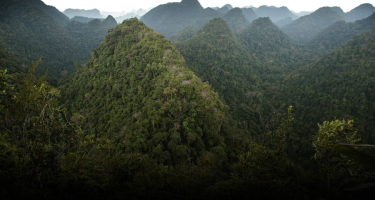
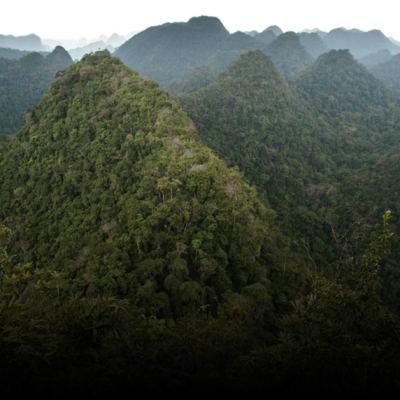
Running along the border of Lao and Viet Nam and extending into eastern Cambodia, the rugged Annamite Mountains lie at the heart of one of the world’s 200 most important bioregions, and are a center of endemism within the Indo-Burma Biodiversity Hotspot. Despite not receiving the global attention it deserves, there is more at stake in this region than in almost any other part of the world.
An Ancient and Irreplaceable Wilderness of Southeast Asia
Where are the Annamite Mountains
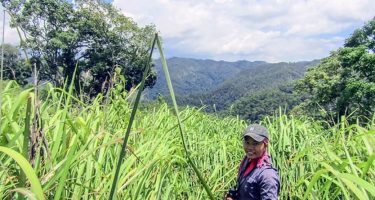
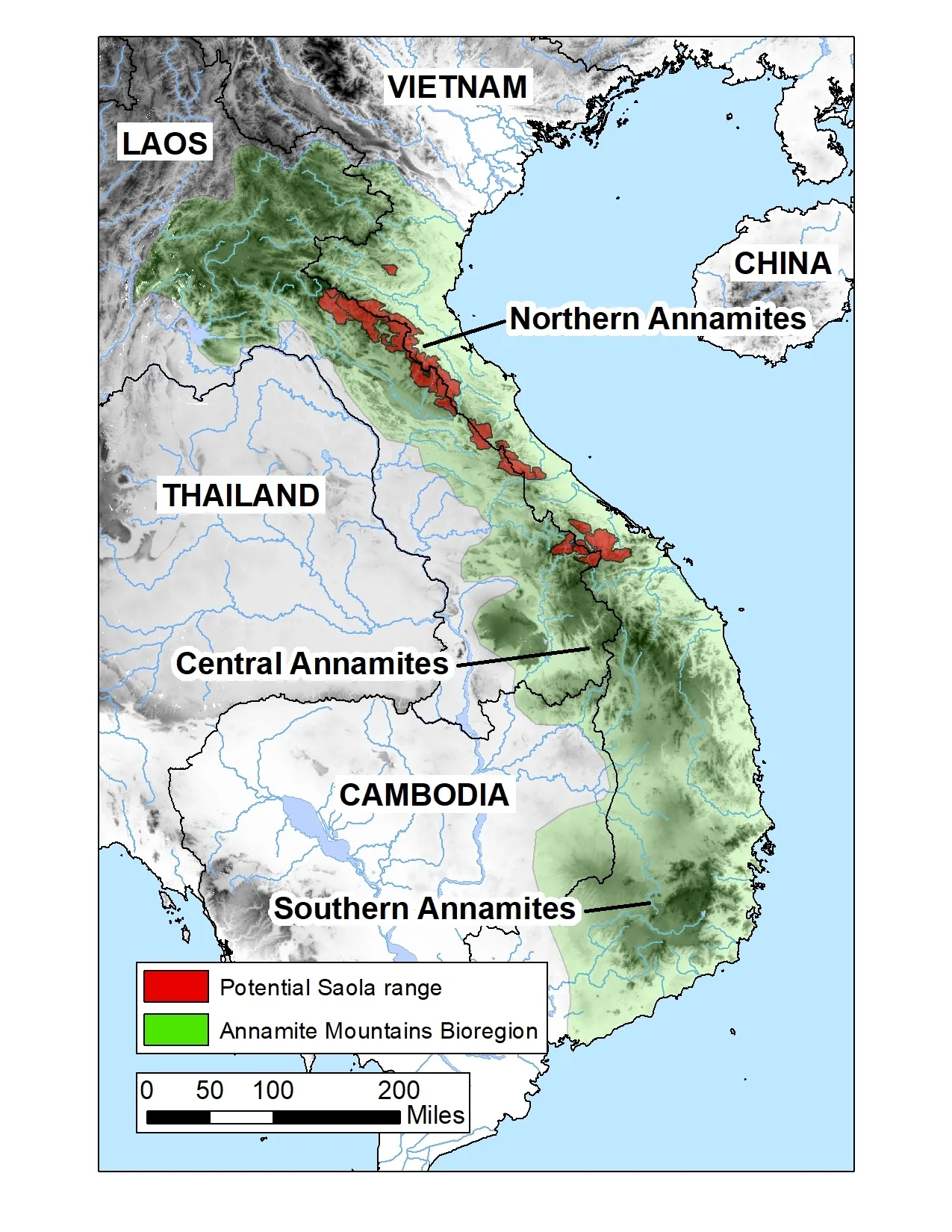
The Annamite Mountains form much of the border of Lao and Viet Nam, and extend into eastern Cambodia. The Annamite Mountains Bioregion has three main biogeographic components, the Northern Annamites, the Central Annamites and the Southern Annamites, all of which have been inhabited by multiple different indigenous human groups for centuries.
The Saola Foundation is active in Bolikhamxay Province, in the northern part of the Annamite Mountains in Lao.
A Living Museum for Evolutionary History
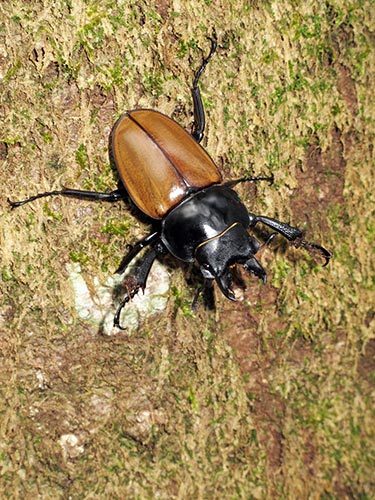
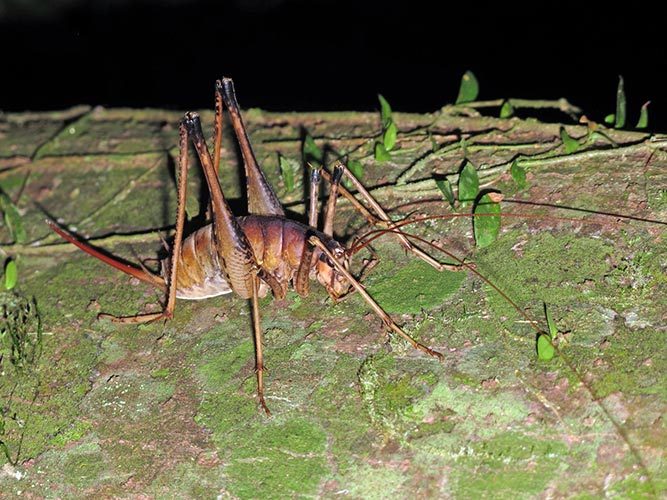
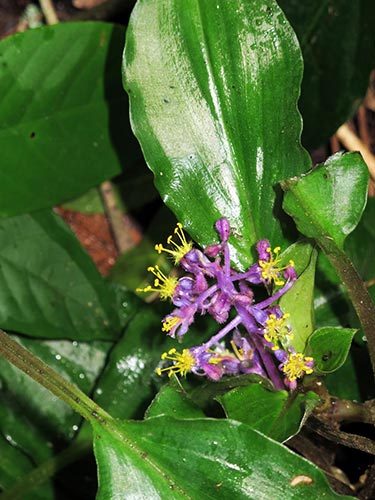
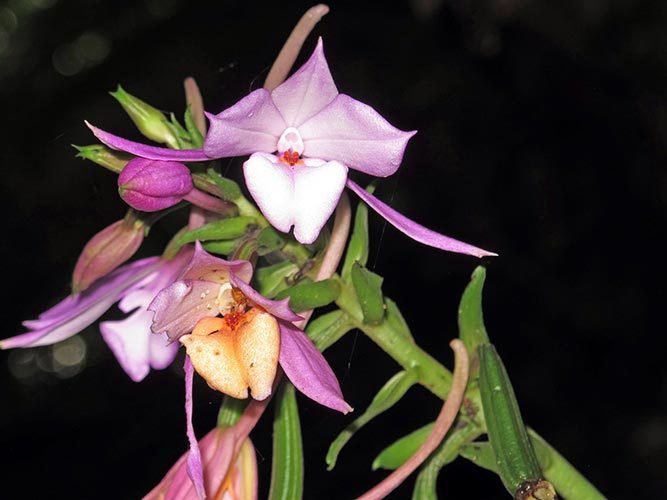
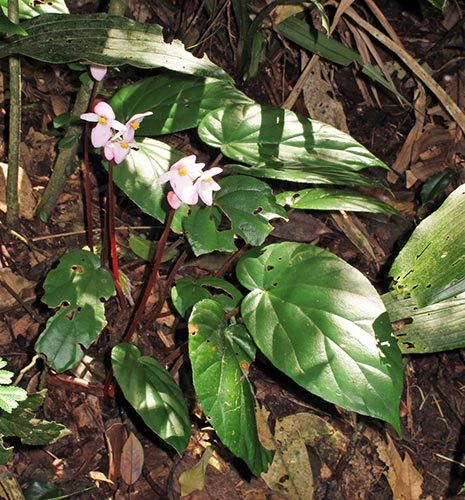
The Annamites is a living museum for evolutionary history with estimates of thousands of undocumented endemic species. Annamite biodiversity features “old endemicity”, with species little changed since the Miocene Epoch, five million years and more, and beyond.
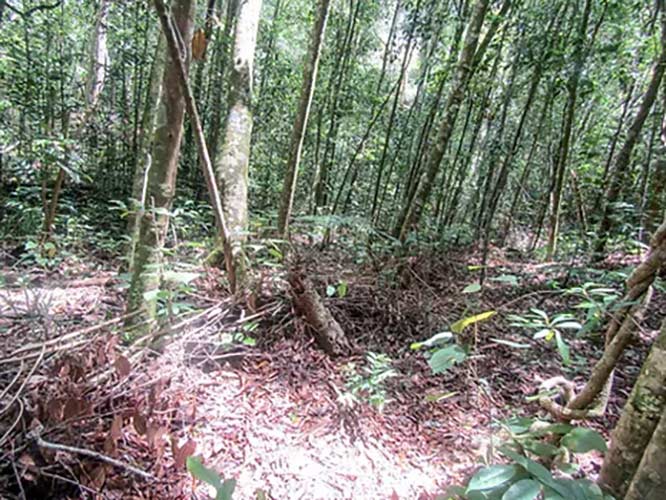
What is seen in the Annamites today is the fruits of a long-running evolutionary factory resulting in narrowly endemic species. The interaction of geography with continental and oceanic weather systems over the Annamites creates localized “ever-wet tropical rainforest” conditions strikingly different from adjacent drier “monsoonal” areas of Southeast Asia.
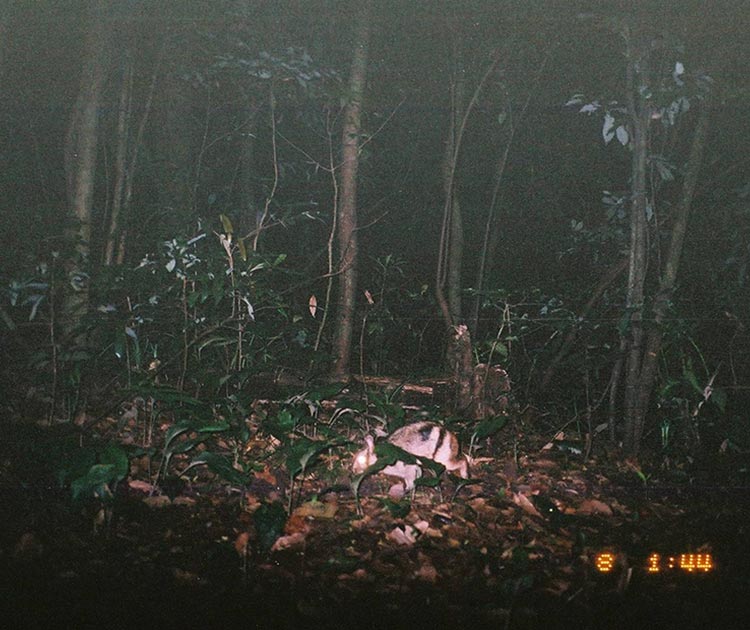
This localized climatic regime has evidently been stable over a long geologic timescale and has driven a process in the Annamites of both relative evolutionary stasis, of Miocene and older biodiversity represented by species like the Saola and Annamite Striped Rabbit, and isolated “island-like” evolutionary adaptation. The latter process is very similar to that seen in the Galapagos, with, for example, a different species of gibbon in the different “islands” of Annamite ever-wet tropical rainforest.
A Long-Running Evolutionary Factory
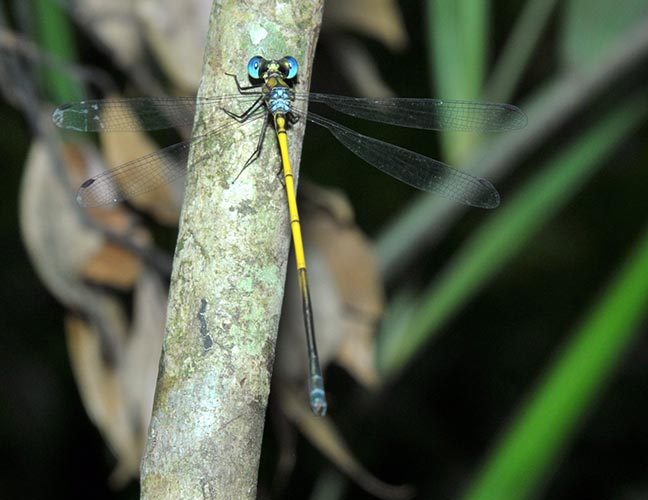
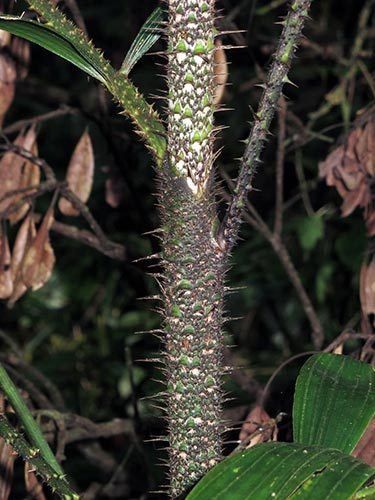
Although most Annamite mammals and birds have now been documented, the numbers of undocumented endemic flora, fauna and funga species combined certainly exceeds those known, and specialists estimate that a new species could be discovered every day within the Annamites.
- Saola Pseudoryx nghetinhensis, Critically Endangered
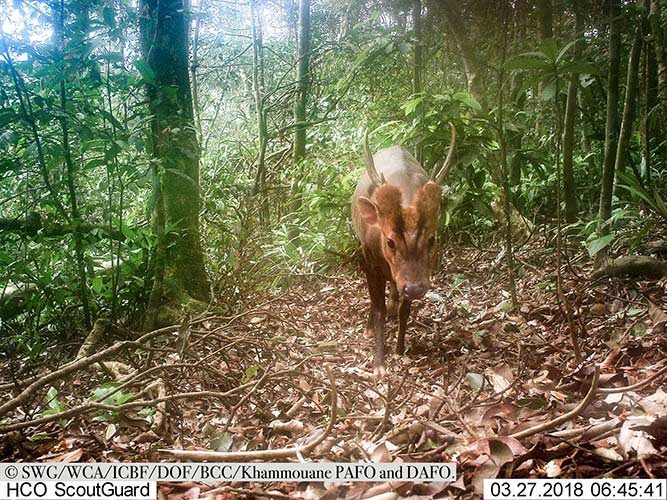
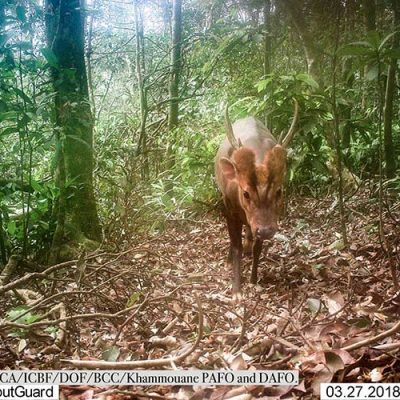
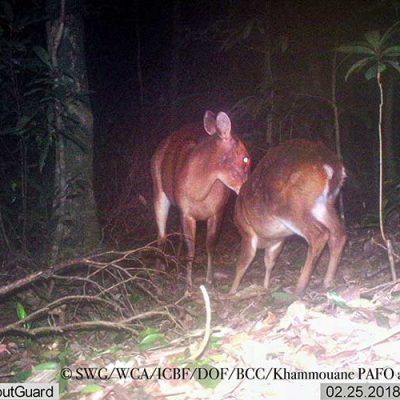
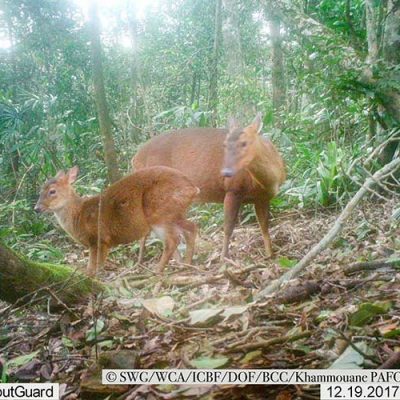
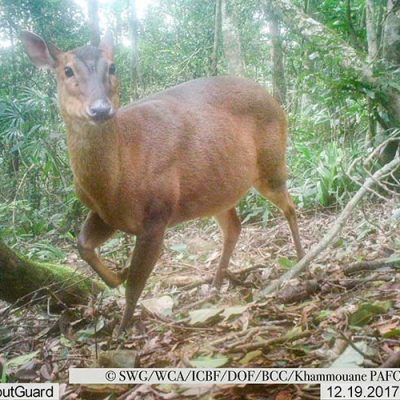
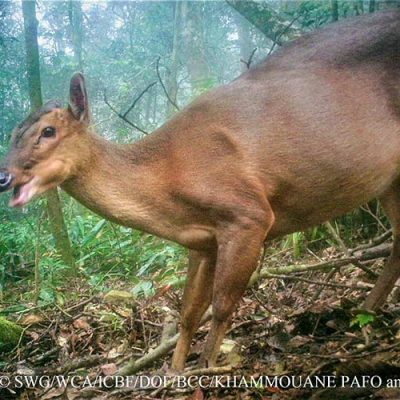
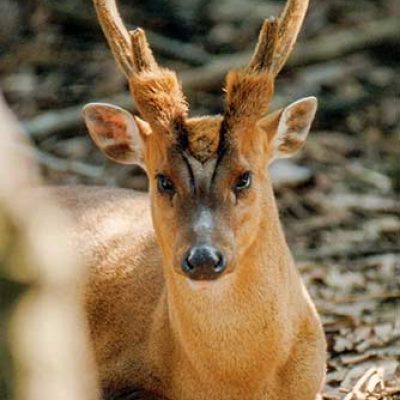
- Large-antlered Muntjac Muntiacus vuquangensis, Critically Endangered
- Annamite Crested Argus Rheinardia ocellata, Critically Endangered
- Northern White-cheeked Gibbon Nomascus leucogenys, Critically Endangered
- Red-shanked Douc Pygathrix nemaeus, Critically Endangered
- Indochinese Grey Langur Trachypithecus crepusculus, Endangered
- Impressed Tortoise Manouria impressa, Endangered
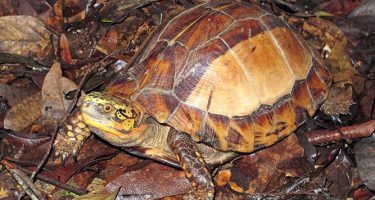
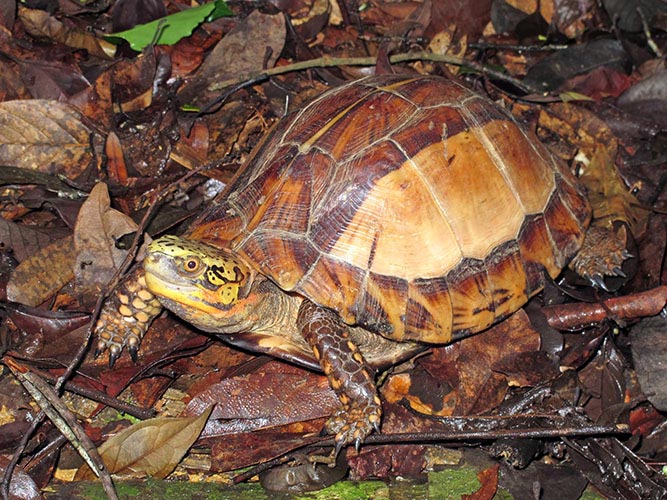
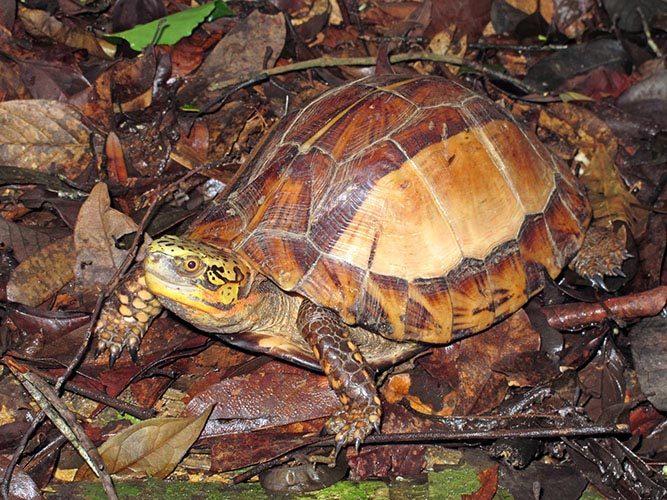
- Keeled Box Turtle Cuora mouhotii, Endangered, a very poorly known species in the wild
- Western Serow Capricornis sumatraensis, Sambar Rusa unicolor, Great Hornbill Buceros bicornis and Rufous-necked Hornbill Aceros nipalensis, all Vulnerable
Other, highly threatened non-endemic large mammals in the Annamite Mountains have a greater “safety net” because they also occur in other regions. Gaur Bos gaurus, a wild ox, has more secure populations in India, and the two species of pangolin found in the Annamite Mountains, both Critically Endangered, have much larger global distributions. If they were ever to be extirpated in the Annamite Mountains, there would still be a chance to conserve them elsewhere. This is also the case with the two species of rhino that the region has lost. But for Annamite endemics like the Saola, there are no other options. If we lose them, then they will likely be gone for good.
Many Not Even Described by Science
In 2024 our field team documented a leaf monkey new to science, in unprotected isolated limestone karst in Bolikhamxay Province.
Flagship species such as the Saola and the muntjac are associated with irreplaceable ecosystems that sustain many more cryptic and otherwise overlooked endemic species facing imminent global extinction, many not even described by science. Although the ecosystems themselves are unlikely to disappear, these flagships, along with the other cryptic and otherwise overlooked endemic species that they represent, are on the precipice of extinction. Once they are gone, they are gone forever, leaving in their wake much poorer ecosystems.
An Important Nexus Between Cultural and Biodiversity Conservation
The Annamites also represent an important nexus between cultural and biodiversity conservation. This region has been described as an area of “linguistic and cultural megadiversity” by the linguistic anthropologist Dr. James Chamberlain. This region’s rich biodiversity is paralleled with a rich human diversity of languages and cultures, many of which are found only in the Annamite Mountains and are reliant on a healthy forest of rich biodiversity, representing a globally important nexus between cultural conservation and biodiversity conservation.
Peoples of the Annamites: Multiple Versions of the Same Place
Poaching, Illegal Wildlife Trade, and Habitat Loss
The area’s extraordinary concentration of highly threatened endemic species has been brought about largely by a three-decade long surge in commercially driven poaching and other forms of harvesting and relatively low levels of conservation investment compared with other global priority regions, posing a significant threat to biodiversity and to the cultural heritage of indigenous people in the Annamite Mountains.
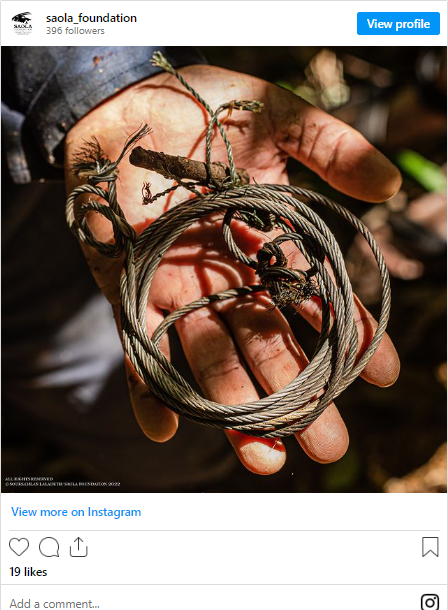
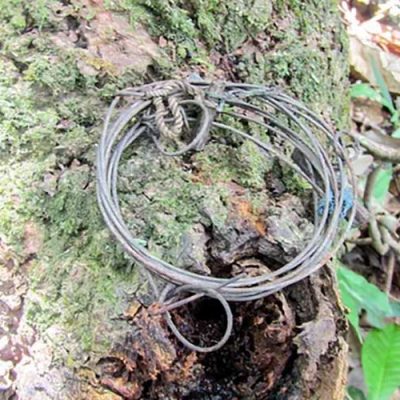
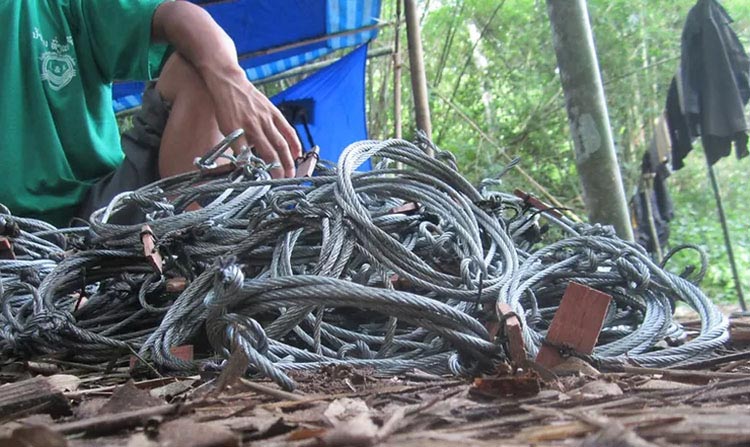
Widespread poaching, largely by wire snares, and other forms of harvesting is pushing many species of large-bodied, ground living animals, such as the Annamite Crested Argus and the Large-antlered Muntjac, into extinction.
The conversion of forests for agriculture, infrastructure development such as roads and dams, and logging operations has led to significant habitat loss and fragmentation. Even within remaining forests, habitat quality is declining due to overgrazing by livestock, collection of non-timber forest products, and disturbances from human activities.
Lao is one of the world’s 45 Least Developed Countries and the villages in which we operate are amongst the poorest within the country. Lao, including our project area, is both a source country and transit hub for Asia’s regional catastrophic wildlife trade.
The Saola
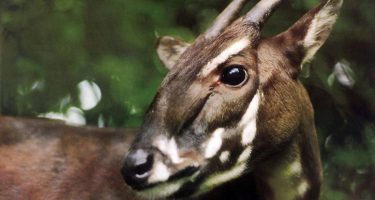
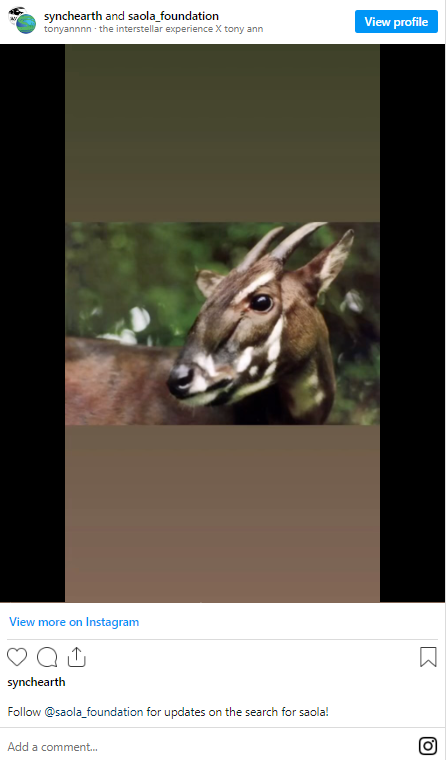
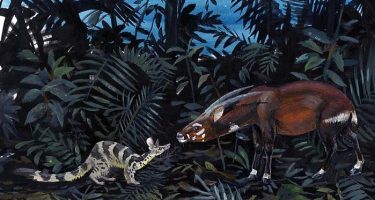
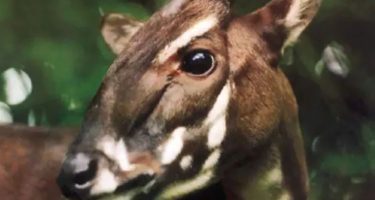
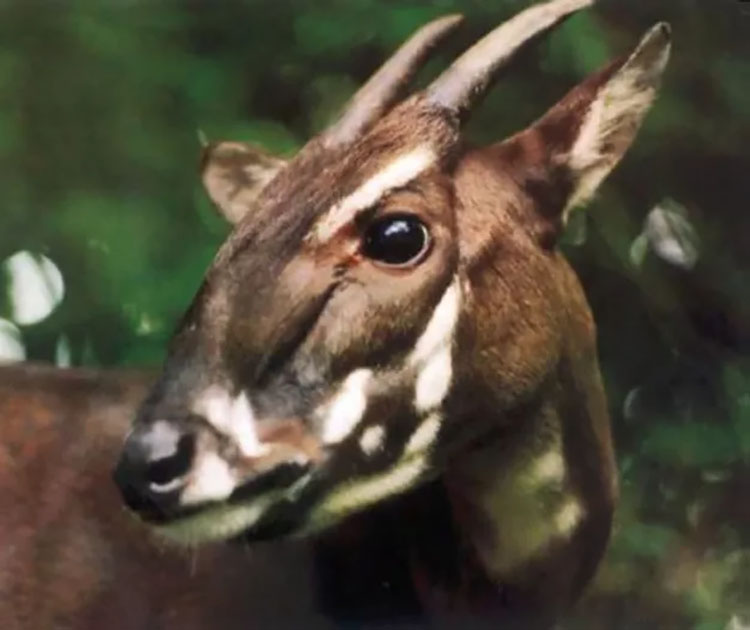
The Saola Pseudoryx nghetinhensis, a tropical forest bovid and ancestral member of the cattle clade within its own genus, is endemic to the Annamite Mountains. It was first discovered in 1992 when skull frontlets complete with the species’ distinctive horns were found in village houses in Viet Nam. The Annamite Mountains came to global attention in 1992 with the scientific discovery of the Saola.
Saolas are among the world’s most endangered large mammals with almost certainly fewer than 100 left in the wild and none in captivity. From its discovery in 1992 until today, there have been no observations of Saolas in the wild by researchers, and at the time of writing only five records of Saolas in the wild captured by remote camera traps, the last in 2013.
The rapid and precipitous decline of Saola, leading to its categorization of Critically Endangered on the IUCN Red List, has been brought about primarily as a result of uncontrolled hunting. However, that threat has now almost certainly been superseded by the threat created by extremely low unnatural population densities. Such low densities make natural social interaction between Saolas close to impossible, and thus natural breeding behavior and birth, recruitment, is now likely to have largely ceased. So even if hunting and other potential threats were removed, Saola would still go extinct without intervention.
The Asian Unicorn · How Many Are Left? · Save Saola
The Enigmatic Saola and the Annamite Mountains
By Rob Timmins, March 2020
The Saola is nothing if not enigmatic. Much like an antelope in appearance, its present-day relatives are wild cattle such as bison and oxen. The sole representative of the genus Pseudoryx, this quiet, shy creature has hidden in the Annamite Mountain rainforests for millions of years, little changed since before humans even evolved. In fact, Saola have probably existed in much the same form, on just a tiny fraction of the earth’s surface, for millions of years, predating the origins of our own genus, Homo.
The Annamite Mountains are as spectacularly distinctive as this enigmatic inhabitant. A combination of geography and climate and the stability of these systems over geologic timescales, in contrast to radical changes in surrounding ecosystems, have driven a process of both relative evolutionary stasis and isolated evolutionary advancement in the Annamites. The latter process is akin to that described by Charles Darwin in the Galapagos and Alfred Russel Wallace in the Malay Archipelago. Isolated forests subjected to unique environmental conditions over long periods of time become an evolutionary factory for endemic species. This is what we see in the Annamites today. Consequently, the Annamite Mountains, forming much of the border between Lao PDR and Vietnam, experiencing both continental and coastal weather systems and surrounded by areas of human impact, are one of the most biologically diverse and unique regions in the world.
Whilst much of the rest of life on Earth busily evolved, and eventually humans came into existence, deep in the Annamite Mountains, the Saola and other evolutionary ‘enigmas’ from the past, like the Annamite Striped Rabbit, have thrived without the need to radically change.
It is only in the last half-century that the Saola’s existence became seriously threatened, by the encroachment of humans and their technology.
The current rarity and high degree of endangerment of Saola is attributable to a wildlife exploitation epidemic in Southeast Asia. Most devastating has been the advent of industrial-scale wildlife snaring in the late 1980s and early 1990s. We call it ‘industrial-scale’, because literally tens of millions of snares, interspersed in tens of thousands of miles of brush fence lines, have been set within the range of Saola over the last 30 years. This rampant hunting is fueled by demand for species valued in the commercial trade for bushmeat and traditional medicines. The Saola has relatively low economic value, with edible meat and horns that can be sold as ‘curios’. Despite this, Saola, through traits of their ecology and behavior, are especially sensitive to snares set for other mammals, and to hunting with dogs. They have been affected disproportionately and fared far worse than some other species, such as wild pigs and civets.
So few Saola remain in the wild, that to save the Saola from extinction we must find and capture the last remaining animals and, using the best of modern knowledge and technology, breed those animals in a state-of-the-art breeding facility, and ultimately restore wild populations into secure areas of native range.
Please, consider donating and join our cause.
To Save the Saola, We First Need to Locate the Saola
The Saola Foundation is active in Bolikhamxay Province in the northern Annamites region within Lao. To save the Saola, we first need to locate the Saola, which we are seeking to do during the current phase of our program.
To find Saolas, a comprehensive, all-out intensive search program based on the best science and state-of-the-art methods is imperative.
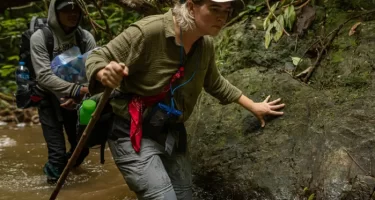
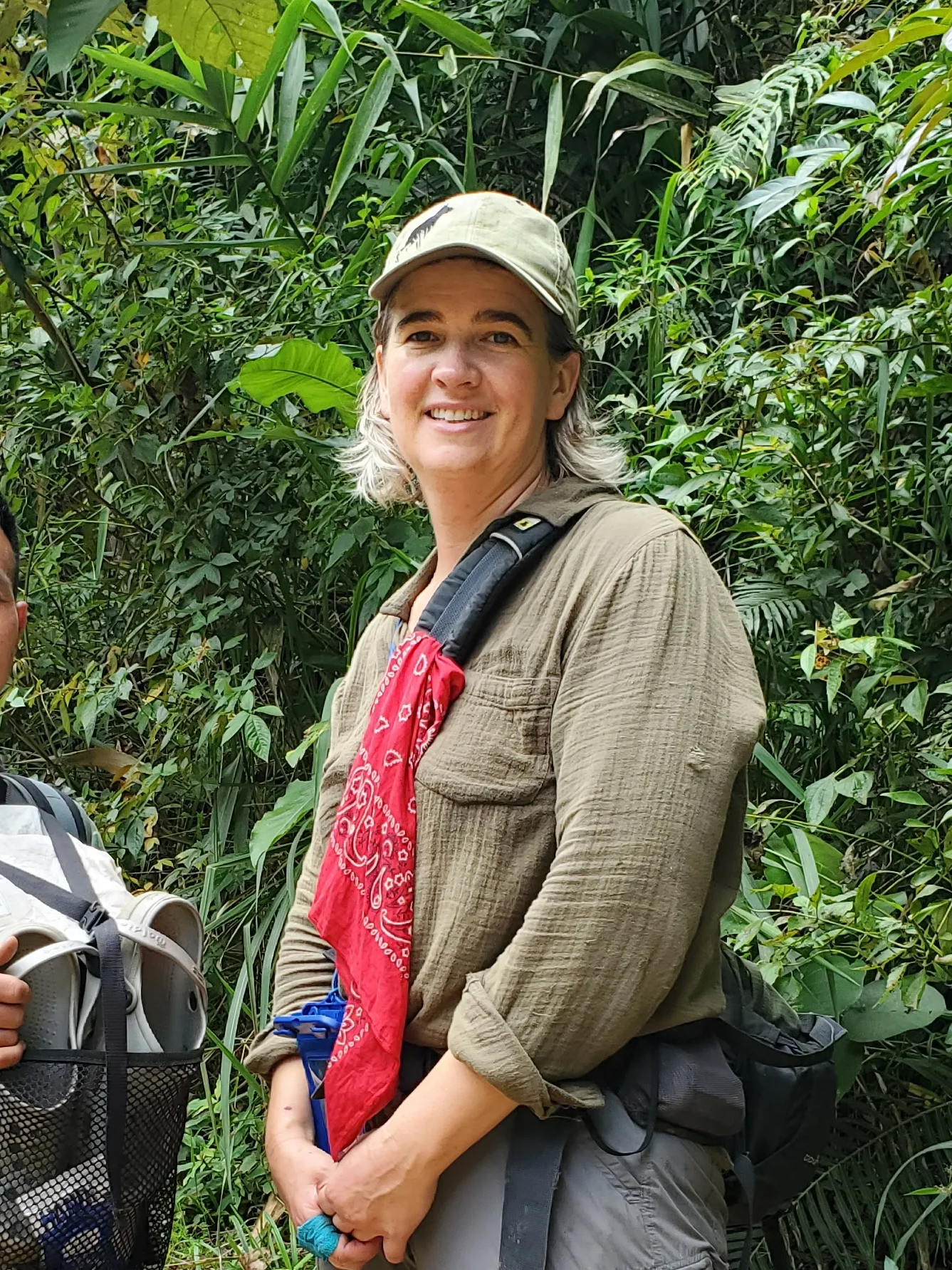
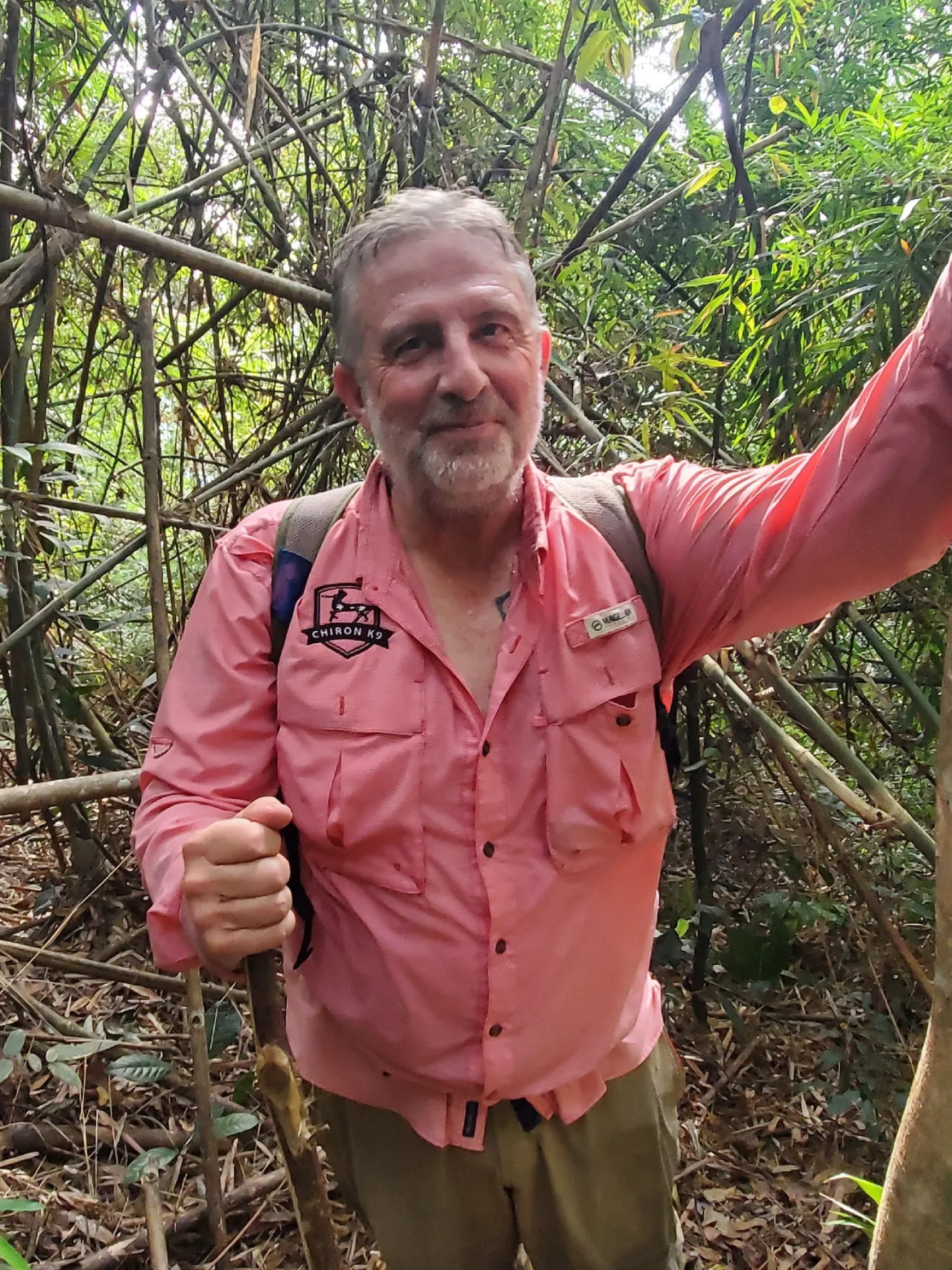
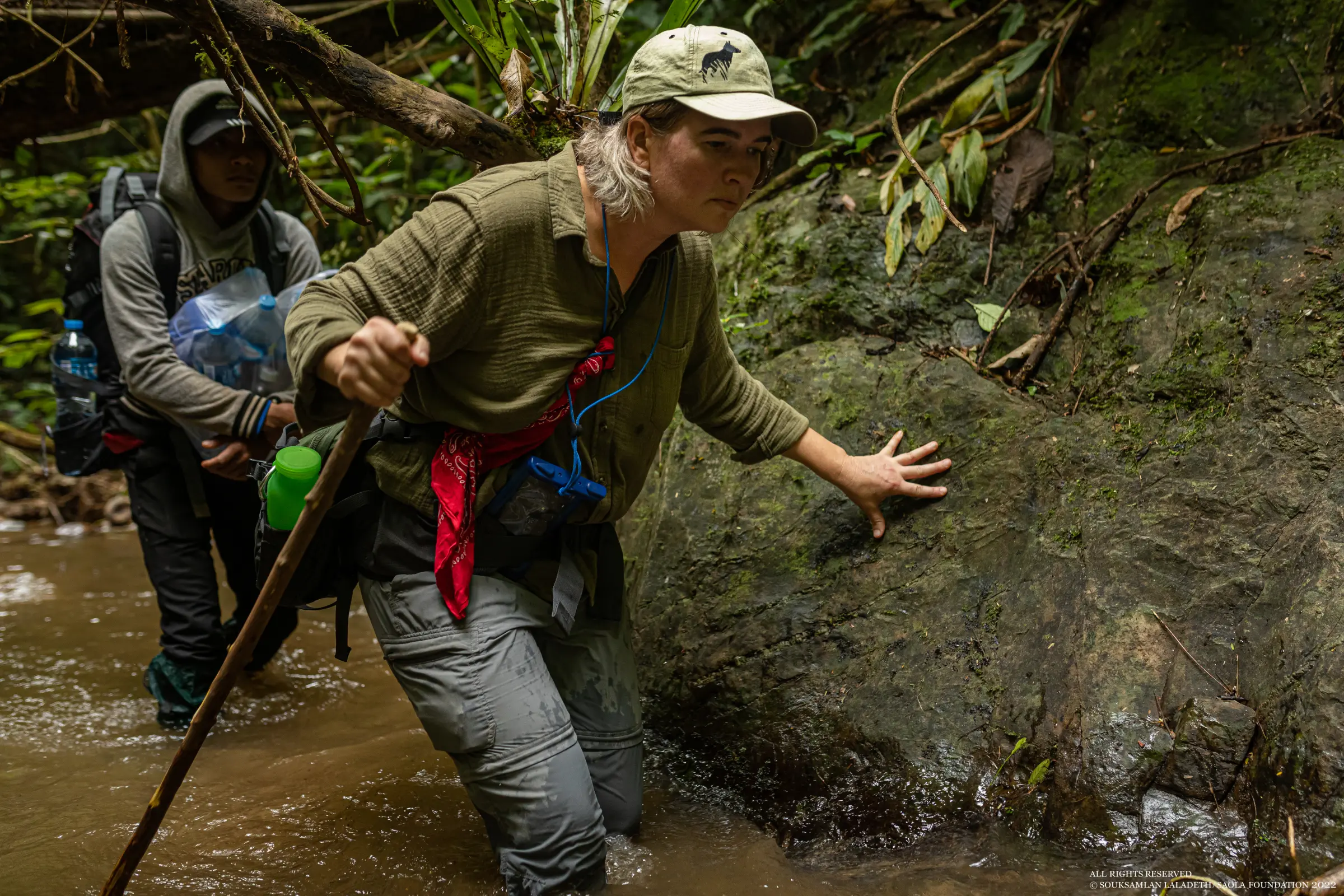
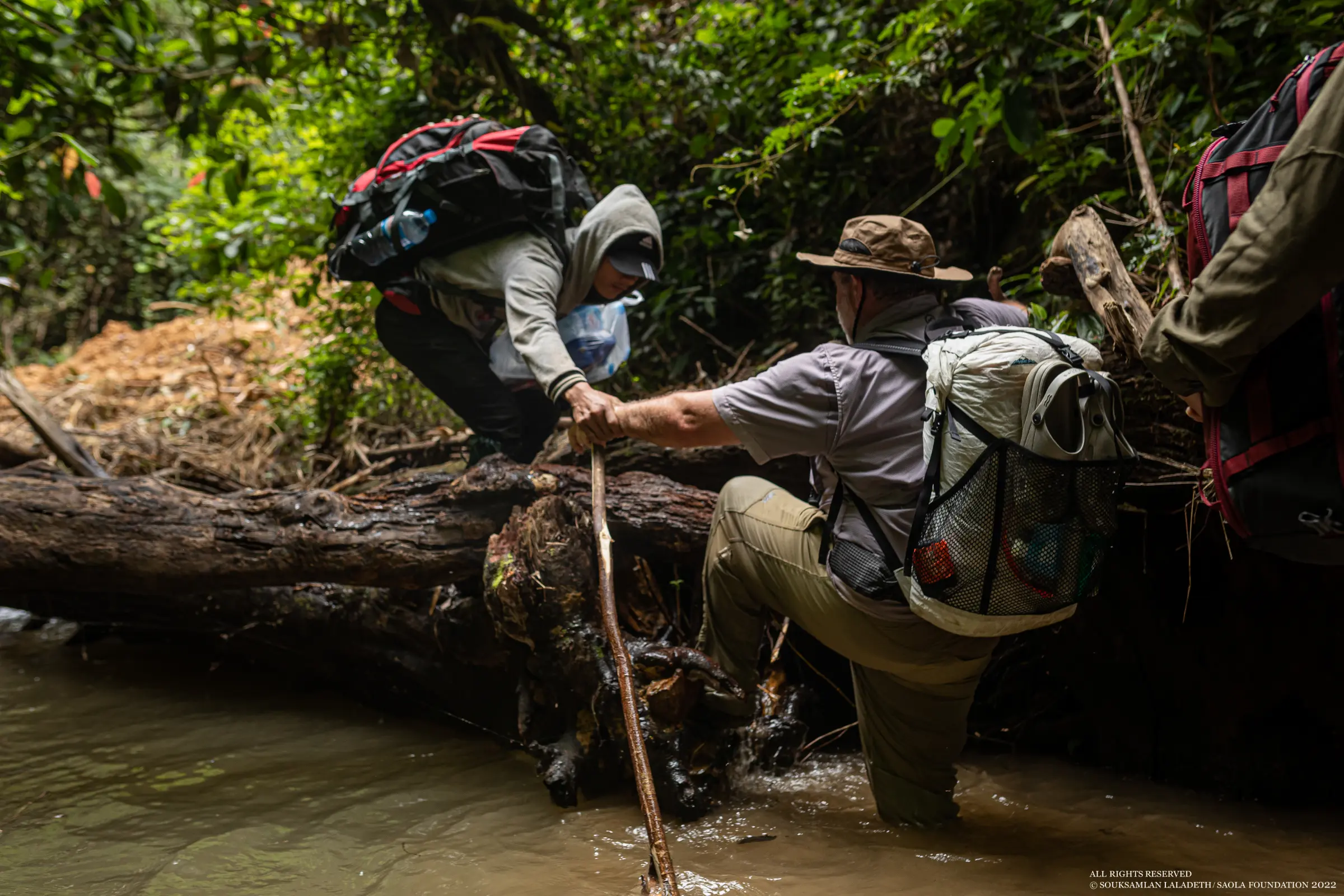
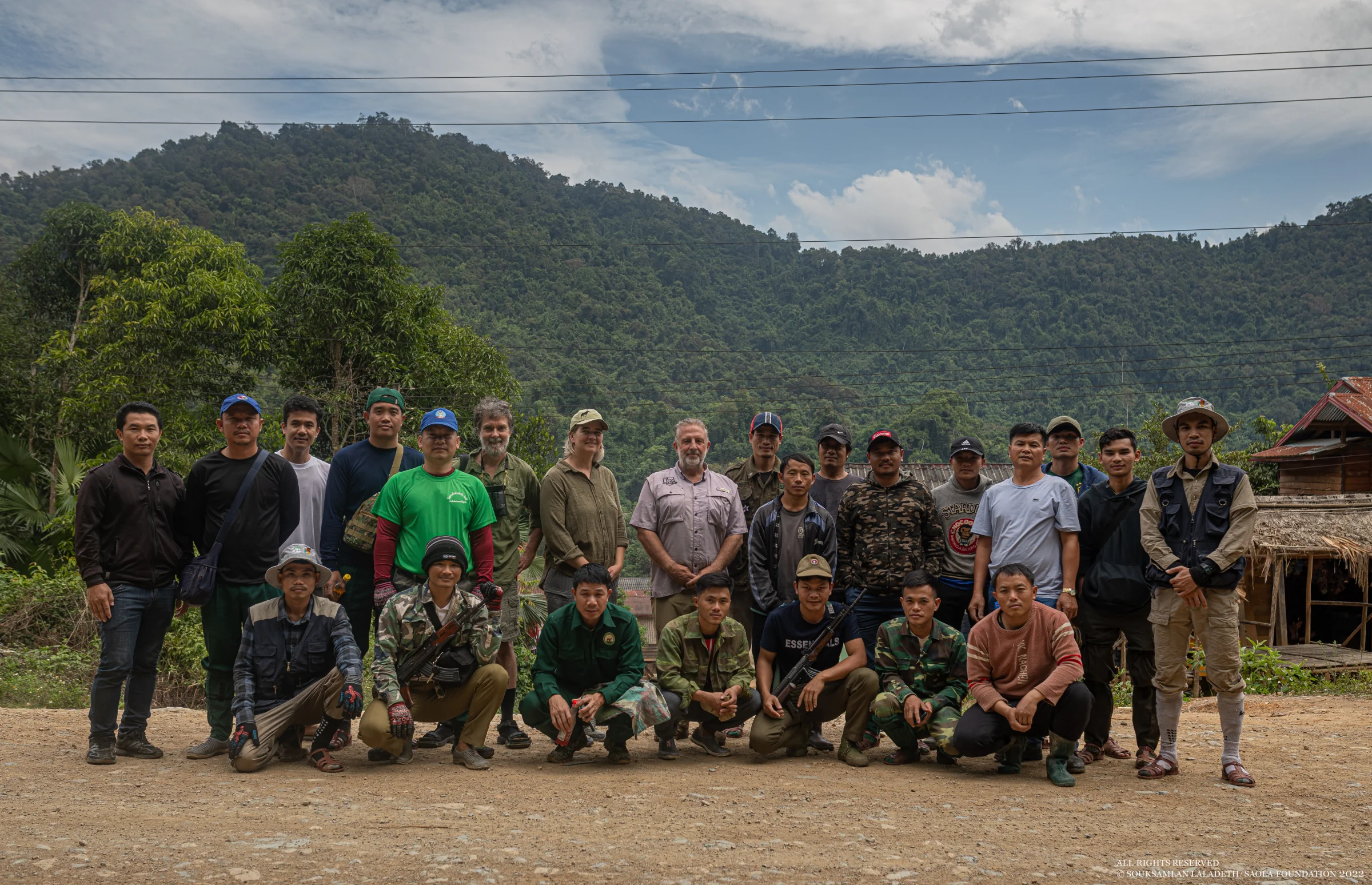
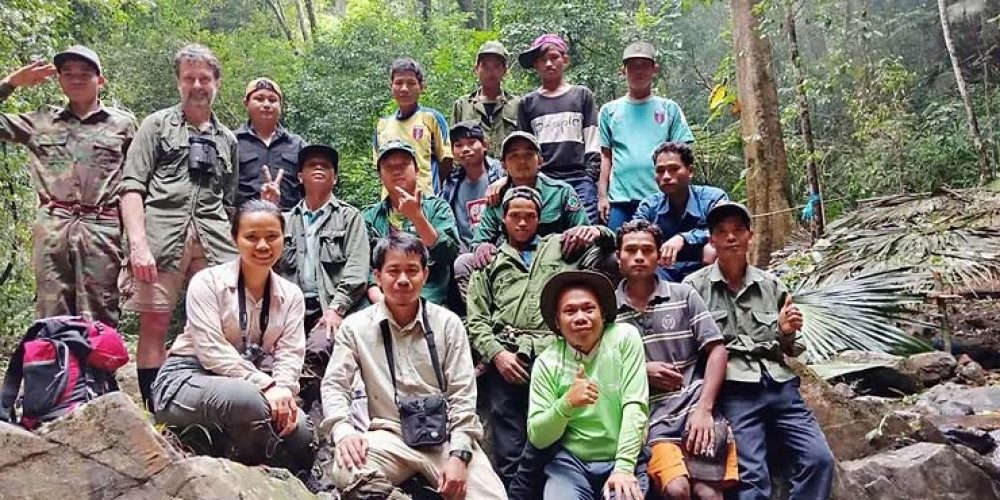
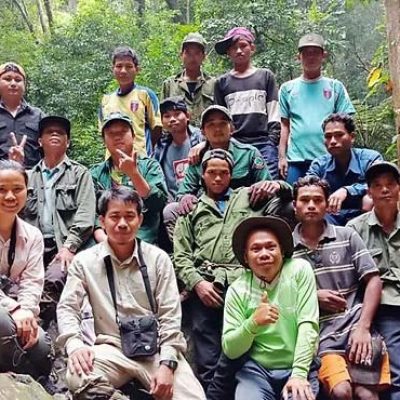
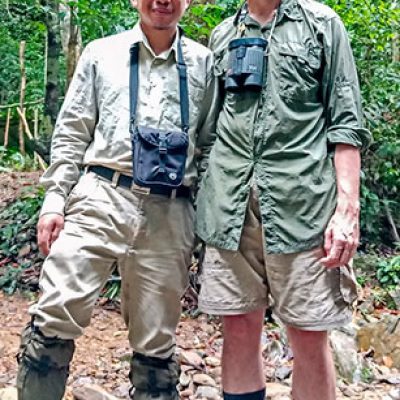
Our Annamite Mountains Research and Conservation team consists of an indigenous animal tracking unit, a scent detection dog unit, field technicians and logistics assistants, along with team and unit leaders. In creating this team we have paired the best local indigenous knowledge with the knowledge of international technical specialists.
Our Animal Tracking Unit is the first such unit to be developed in mainland Southeast Asia, based on the scientific principles of our partner organization the CyberTracker International network. Our Scent Detection Dog Unit is the first national scent detection dog unit in mainland Southeast Asia dedicated to biodiversity conservation. Our partner organization Working Dogs for Conservation has been leading the training, and sourced and trained our first two detection dogs, which have been active in the forest with the Lao field team since September 2024.
In collaboration with the Wildlife Conservation Society we have developed an extremely sensitive, reliable, easy to use and very portable DNA field testing platform which can identify Saola DNA from dung. Having the equipment at basecamp in the forest allows us to have test results potentially available within hours of finding the source in the forest.
We estimate there is approximately 15,000 km2 of potentially occupied habitat remaining. Searching all of it is not possible, so the effort is concentrated: a systematic intensive search of a 300 km2 target area in the Nam Chouan and Nam Xang area of Bolikhamxay Province, at a survey intensity of at least 10 linear kilometers of search effort per square kilometer.
A formal MoU signed between the Saola Foundation and the Government of Lao in January 2025 demonstrates political buy-in for this issue.
At the Saola Foundation we believe that it is not too late to save the Saola.